AI Customer Service Chatbots: A No-Nonsense Buyer's Guide
Which AI chatbot features actually matter for customer service, what deflection rates to expect, and the handoff mistake that loses customers.
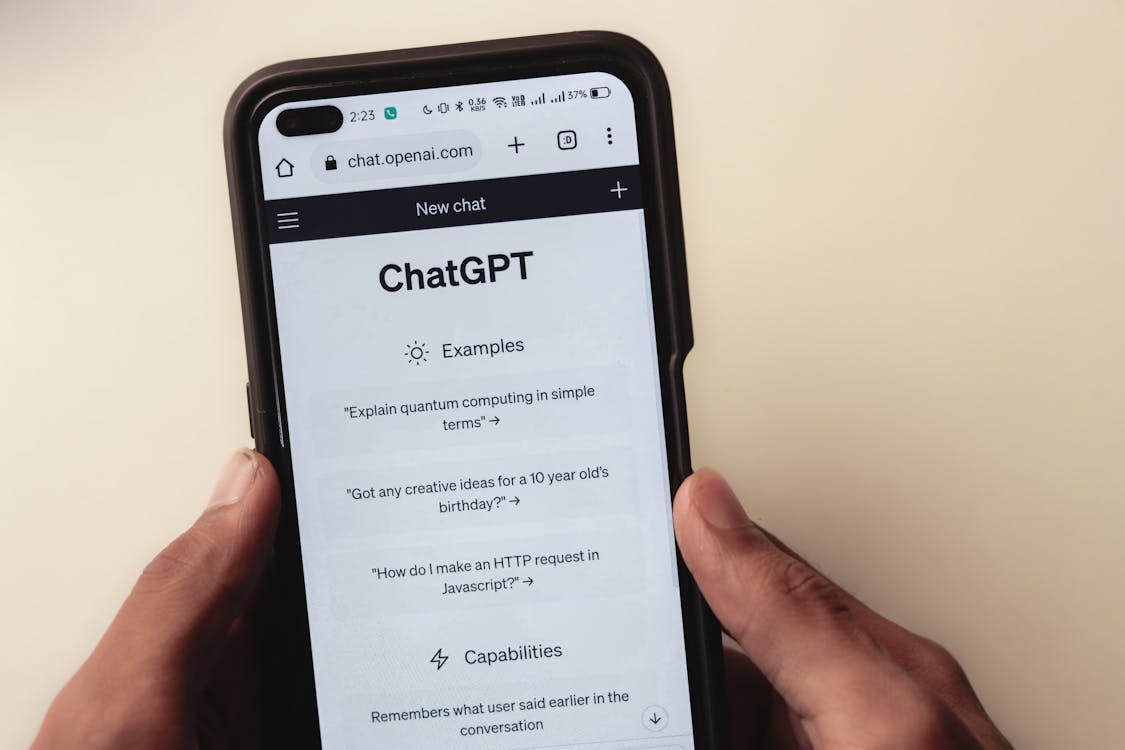
Modern AI support chatbots are unrecognisable from the decision-tree widgets of a few years ago. They read your help docs, write like a human, and genuinely resolve tickets. They can also enrage customers faster than almost anything else you could put on your site. The difference is entirely in the setup.
What today's bots do well
Trained on your own help centre, order data, and policies, a current-generation bot can fully resolve the repetitive half of your queue: where's my order, how do I return this, do you ship to Ireland, reset my password. Realistic full-resolution rates for a well-configured bot are 40 to 65% of incoming chats, around the clock, in any language. Below 40%, your knowledge base is the problem, not the bot.
The features that actually matter
- Trains on your real content (help docs, past tickets) rather than scripts you must hand-author
- Clean human handoff that transfers the full conversation, so customers never repeat themselves
- Escalation triggers you control: frustration, refund requests over £X, legal words go straight to a human
- Honest "I don't know" behaviour you can verify in testing, because a bot that invents your refund policy is a lawsuit generator
- Analytics on unresolved chats, since the unanswered questions are your roadmap
Ignore: avatar customisation, "personality packs," and any vendor leading with "replace your support team."
The handoff is everything
Every chatbot horror story is a handoff story. Customers tolerate a bot that tries and gracefully escalates; they do not forgive a bot that traps them. Three rules: always offer a path to a human, never make the customer re-explain, and route VIPs and angry customers around the bot entirely.
What it costs and when it pays
Entry tools run free to $50/month for low volumes; mid-market platforms $100 to $500/month with usage pricing. The arithmetic is simple: if your team handles 500+ chats a month and half are routine, a bot pays for itself in weeks. Under about 200 chats a month, a great FAQ page and an AI-drafted inbox are probably the better investment.
A 30-day rollout that works
Week 1: feed it your docs, test internally and try to break it. Week 2: launch on one low-stakes page, off-hours only. Week 3: review every transcript, fix the gaps. Week 4: expand hours and pages. Boring, methodical, and it's how you end up in the success-story column.